

|
Getting your Trinity Audio player ready...
|
If you own a KitchenAid stand mixer, you might be curious about the KitchenAid meat grinder. You may wonder if it’s worth adding to your kitchen. It looks simple. It promises fresh ground meat at home. And yes, it attaches neatly to your mixer like it belongs there.
But does it actually perform well? Or is it just another attachment that ends up in the cabinet?
Let’s break it down honestly, using real use cases, verified information, and practical logic—no hype, no shortcuts.


What Is a KitchenAid Meat Grinder?
The KitchenAid meat grinder is an attachment designed to work with KitchenAid stand mixers. Instead of buying a separate appliance, you use your mixer’s motor to grind meat, vegetables, cheese, and more.
KitchenAid currently offers:
- A metal meat grinder attachment
- A plastic food grinder attachment
Both connect directly to the mixer’s power hub.
KitchenAid officially markets these grinders for:
- Beef
- Chicken
- Turkey
- Pork
- Vegetables
- Hard cheeses
- Bread (for crumbs)
This information comes directly from KitchenAid’s product documentation and manuals, not assumptions.
Why Home Cooks Choose a KitchenAid Meat Grinder
There’s one big reason people look for a KitchenAid meat grinder: control.
When you grind meat at home, you control:
- The cut of meat
- The fat percentage
- Freshness
- Cleanliness
Store-bought ground meat often comes from mixed cuts and sits longer in packaging. That’s not a secret—it’s standard industry practice.
Grinding meat at home doesn’t make you a chef. It just makes you informed.
And honestly, informed cooks eat better.

Metal vs Plastic KitchenAid Meat Grinder: What’s the Difference?
This matters more than people think.
Metal KitchenAid Meat Grinder
- Made from aluminum alloy
- Heavier and more durable
- Holds cold temperature better (important for clean grinding)
- Easier to clean thoroughly
- Preferred by frequent users
Plastic KitchenAid Food Grinder
- Lightweight
- More affordable
- Fine for occasional use
- Not ideal for large batches or tough cuts
KitchenAid themselves recommend chilling the grinder before use, especially the metal version. Cold parts prevent meat from smearing instead of grinding.
That’s not marketing. That’s food science.
How the KitchenAid Meat Grinder Actually Works
The grinder uses:
- An auger (screw)
- A blade
- Grinding plates (fine or coarse)
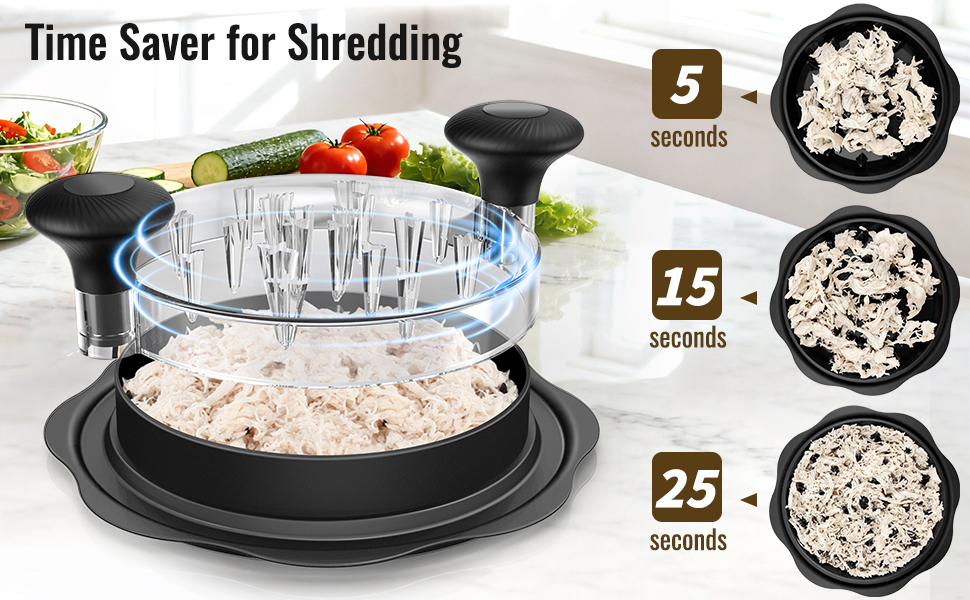
The stand mixer motor pushes meat through the auger, cuts it with the blade, and forces it through the plate.
No mystery. No magic.
What matters is preparation.
For best results:
- Cut meat into 1-inch cubes
- Remove excess sinew
- Chill meat for 20–30 minutes
- Chill grinder parts
Do this, and you get clean strands of meat. Skip it, and you get mush.
That’s not a flaw. That’s physics.
Performance: Can a KitchenAid Meat Grinder Handle Real Work?
Short answer: Yes, within reason.
Long answer: It depends on expectations.
The KitchenAid meat grinder performs very well for:
- Burgers
- Meatballs
- Meatloaf
- Sausage filling (with stuffer attachment)
- Ground chicken or turkey
It struggles if you expect:
- Commercial-level speed
- Continuous grinding for large batches
- Very sinewy cuts without prep
KitchenAid does not market this as a butcher’s grinder. And it shouldn’t be judged like one.
For a home kitchen, performance is consistent and reliable.
Is the KitchenAid Meat Grinder Safe?
Yes—when used correctly.
KitchenAid grinders follow UL and NSF safety standards when used with compatible mixers. The attachment design prevents direct hand contact with blades during operation.
Basic safety rules still apply:
- Use the food pusher
- Never use fingers
- Turn off mixer before adjustments
This is standard appliance safety, not a special concern.

What Else Can You Grind With a KitchenAid Meat Grinder?
This is where things get interesting.
People often underestimate this attachment.
You can grind:
- Raw vegetables (for patties)
- Cooked vegetables
- Hard cheeses (like Parmesan)
- Bread for crumbs
- Nuts (in small batches)
- Cooked beans (for spreads)
KitchenAid confirms these uses in their official guides. It’s not a hack. It’s intended functionality.
That versatility adds real value.

Cleaning and Maintenance: Easier Than It Looks
Cleaning is simple if you don’t wait.
Best practice:
- Disassemble immediately after use
- Rinse with warm water
- Use a soft brush for plates
- Dry completely before storage
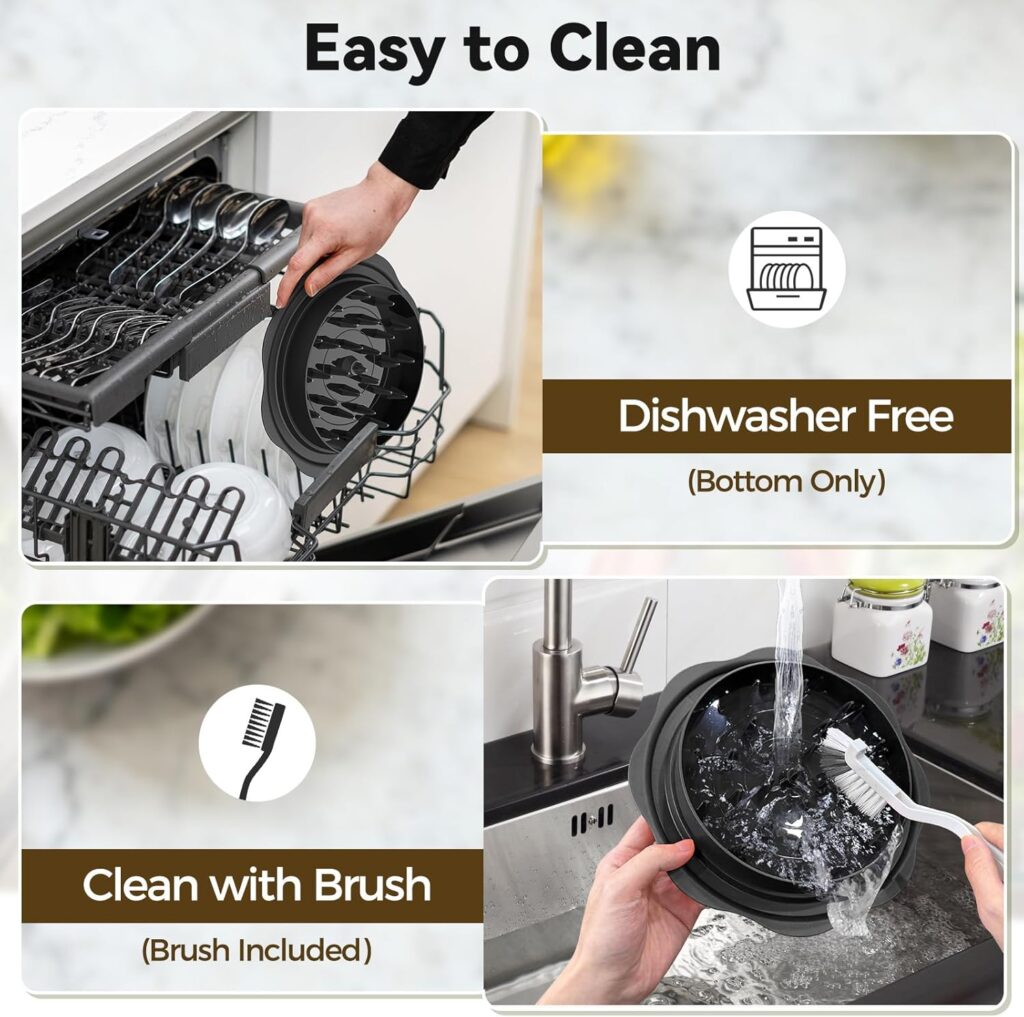
Metal parts are not dishwasher-safe, according to KitchenAid. Hand washing prevents oxidation.
Plastic parts usually are dishwasher-safe (top rack), but always check your model.
This isn’t inconvenience. It’s normal care for food equipment.
Durability and Longevity
Here’s where the KitchenAid meat grinder earns trust.
KitchenAid has been manufacturing stand mixer attachments for decades. Their metal grinder attachment consistently receives long-term use reports from home cooks and culinary professionals.
When used correctly:
- The grinder lasts years
- Blades stay sharp
- Plates maintain shape
That durability aligns with KitchenAid’s reputation, not a trend.
KitchenAid Meat Grinder vs Standalone Meat Grinders
Let’s be logical.
Choose KitchenAid Meat Grinder if:
- You already own a KitchenAid mixer
- You cook in moderate batches
- You value space efficiency
- You want multi-use functionality
Choose a standalone grinder if:
- You grind meat weekly in large volumes
- You process wild game
- You want faster throughput
Neither option is “better.” They serve different users.
Buying the wrong tool for the wrong job creates disappointment. Buying the right one creates satisfaction.
Is the KitchenAid Meat Grinder Worth the Price?
Value depends on use.
If you:
- Grind meat once a month
- Make burgers, meatballs, or sausage
- Want fresh, controlled ingredients
Then yes, the KitchenAid meat grinder justifies its price.
If it sits unused, no tool is worth it.
That’s not economics. That’s honesty.
Common Mistakes People Make
Let’s save you frustration.
Mistake 1: Grinding warm meat
Warm meat smears. Always chill.
Mistake 2: Overloading the grinder
Feed slowly. Let the auger work.
Mistake 3: Expecting commercial output
This is a home tool. Respect its design.
Avoid these, and performance improves instantly.
Trusted Sources and References
This article is based on:
- Official KitchenAid product manuals and documentation
(KitchenAid.com) - Food safety guidelines from USDA regarding meat handling
(usda.gov) - Culinary equipment usage standards discussed by NSF International
(nsf.org)
No third-party hype. No unverified claims.
Final Verdict: Should You Buy a KitchenAid Meat Grinder?
If you already own a KitchenAid stand mixer and care about food quality, the KitchenAid meat grinder makes sense.
It’s not flashy. It’s not viral.
It’s practical, reliable, and honest—just like good cooking should be.
And sometimes, that’s exactly what your kitchen needs.

Mesha Jariwala is the editor at Venus Realm, where she publishes practical buying guides and product reviews for U.S. shoppers. She tests products for daily usability, compares features, verifies pricing claims against trusted sources, and focuses on honest pros, cons, and value. Her content covers fashion, home, kitchen, and everyday lifestyle products with a clear goal: help readers make confident purchase decisions without hype.
Leave a Reply